زهرة الكاميليا

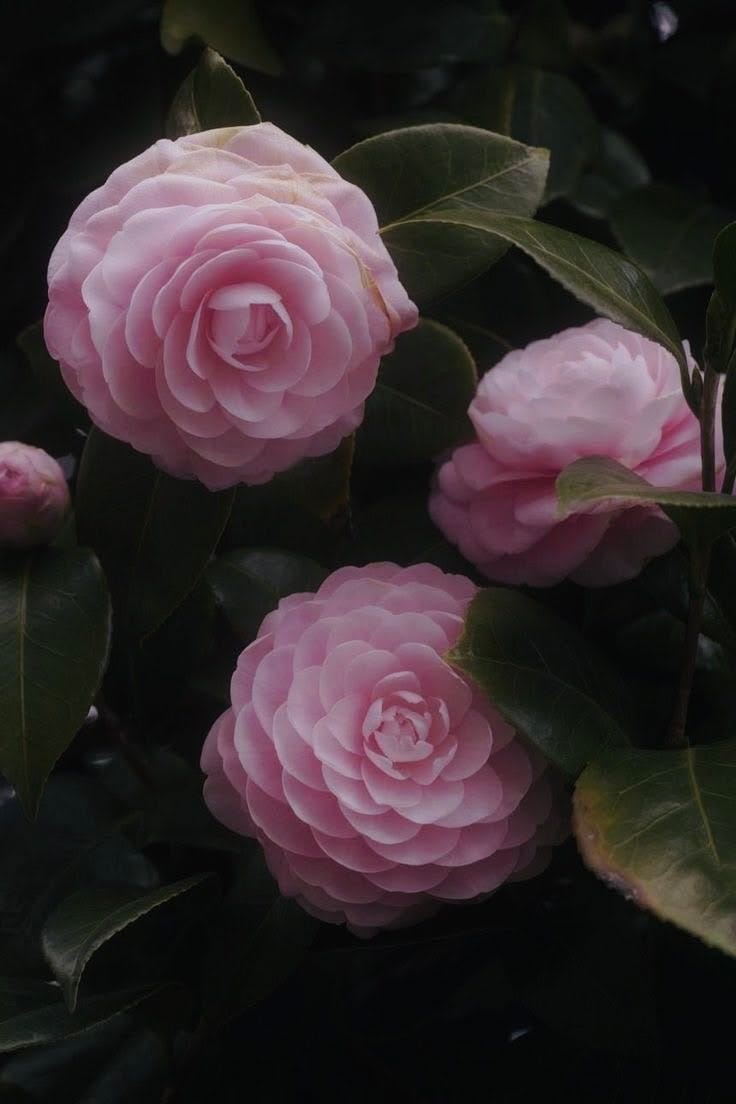
زهرة كاميليا رمزاً للأناقة والجمال الهادئ، موطنها الأصلي هو شرق وجنوب آسيا، وتُعرف بكونها ملكة زهور الشتاء
المصدر الحقيقي للشاي
قد يكون من الغريب معرفة أن المشروب الأكثر استهلاكاً في العالم بعد الماء (الشاي) يأتي من نوع من أنواع الكاميليا يسمى Camellia sinensis نعم، كل كوب شاي أخضر أو أسود تشربه هو في الأصل منقوع أوراق زهرة الكاميليا
(Tsubaki oil) زيت الجمال السري ل الجيشا
منذ قرون، تستخدم نساء الجيشا في اليابان زيت بذور الكاميليا لجمال شعرهن وبشرتهن هذا الزيت خفيف جداً وقادر على اختراق طبقات الجلدبعمق، وهو ما يفسر دخوله الآن في أرقى مستحضرات التجميل
تُعتبر الكاميليا في اليابان رمزاً للجمال والوقار، ولها ارتباط وثيق بتا
رمزية الساموراي كان مقاتلو الساموراي يقدّرون هذه الزهرة لقوتها، لكن بعضهم كان يتجنب نوعاً معيناً منها؛ لأن الزهرة تسقط كاملة من غصنها (كما لو كان رأساً يُقطع)، وهو ما كان يذكرهم بالموت المفاجئ في المعارك.
الجمال الإلهي ترتبط بالديانة الشنتوية، حيث يُعتقد أن الأرواح المقدسة تسكن في أوراقها اللامعة (استغفر الله)، لذا تُزرع بكثرة في حدائق المعابد.
تسمى أيضََا بشيرة الربيع لأنها تُزهر بينما لا يزال الثلج يغطي الأرض فهي ترمز للصمود وبداية دورة حياة جديدة
في الثقافة الصينية (تسمى "تشاشوا" - Cháhuā)
في الصين الكاميليا هي زهرة الحظ السعيد ولها بُعد عاطفي واجتماعي عميق
الاتحاد الأبدي تُعتبر الكاميليا رمزاً للعشاق المخلصين والسبب النباتي الغريب هو أن كأس الزهرة (الذي يربطها بالساق) يسقط ملتصقاً بالبتلات عند ذبولها وهذا يرمز في عقيدتهم إلى الروح والجسد اللذين لا ينفصلان حتى بعد الرحيل
زهرة السنة الجديدة تُعد الزهرة الرسمية للاحتفال برأس السنة الصينية حيث تُزين بها المنازل لجلب الرخاء والحظ الجيد للعائلة
في أوربا رمز للطبقة الراقية في القرن التاسع عشر كانت الكاميليا رمزًا للأناقة والثراء وارتبطت برواية سيدة الكاميليا الشهيرة
لا تمتلك رائحة تقريبًا رغم شكلها الجميل معظم أنواع الكاميليا بلا عطر، وهذا عكس كثير من الزهور المزخرفة
تعيش طويلًا جدًا بعض شجيرات الكاميليا يمكن أن تعيش مئات السنين وهناك نباتات مزروعة منذ قرون ما زالت تزهر حتى اليوم
The camellia flower, a symbol of elegance and serene beauty, belongs to the tea family. Native to East and South Asia, it is known as the queen of winter flowers.
The True Source of Tea
It may be surprising to learn that the most consumed beverage in the world after water (tea) comes from a type of camellia called Camellia sinensis. Yes, every cup of green or black tea you drink is originally an infusion of camellia leaves. The Geisha's Secret Beauty Oil
For centuries, geisha in Japan have used camellia seed oil (Tsubaki oil) as a secret to the beauty of their hair and skin. This oil is very light and capable of penetrating deep into the skin layers, which explains its inclusion in the finest cosmetics.
In Japan, the camellia is considered a symbol of beauty and dignity, and it has a close association with...
The Samurai Symbolism
Samurai warriors valued this flower for its power, but some avoided a certain type of it; Because the flower falls completely from its stem (as if a head were being severed), it reminded them of sudden death in battle.
Divine beauty is associated with Shintoism, where it is believed that sacred spirits dwell in its glossy leaves (God forbid!), so it is widely cultivated in temple gardens.
It is also called the herald of spring because it blooms while the ground is still covered in snow, symbolizing resilience and the beginning of a new life cycle.
In Chinese culture (called "Cháhuā")
In China, the camellia is a flower of good fortune and has a deep emotional and social dimension.
Eternal union: The camellia is considered a symbol of devoted lovers. The unusual botanical reason is that the calyx (which connects the flower to the stem) falls off attached to the petals when it withers, symbolizing in their beliefs the soul and body that remain inseparable even after death.
New Year's flower: It is the official flower for celebrating the Chinese New Year, where it is used to decorate homes to bring prosperity and good fortune to the family.
A symbol of strength, the camellia is nicknamed the "Queen of the Forest" for its longevity and ability to remain fresh for extended periods compared to other, more delicate flowers.
In 19th-century Europe, it was a symbol of the upper class, representing elegance and wealth, and was associated with the famous novel "The Lady of the Camellias."
Despite its beautiful appearance, most camellia varieties are almost entirely fragrance-free, unlike many ornamental flowers.
They are very long-lived; some camellia shrubs can live for hundreds of years, and there are plants that have been cultivated for centuries and are still blooming today.